Rocket Orbit (po angielsku)
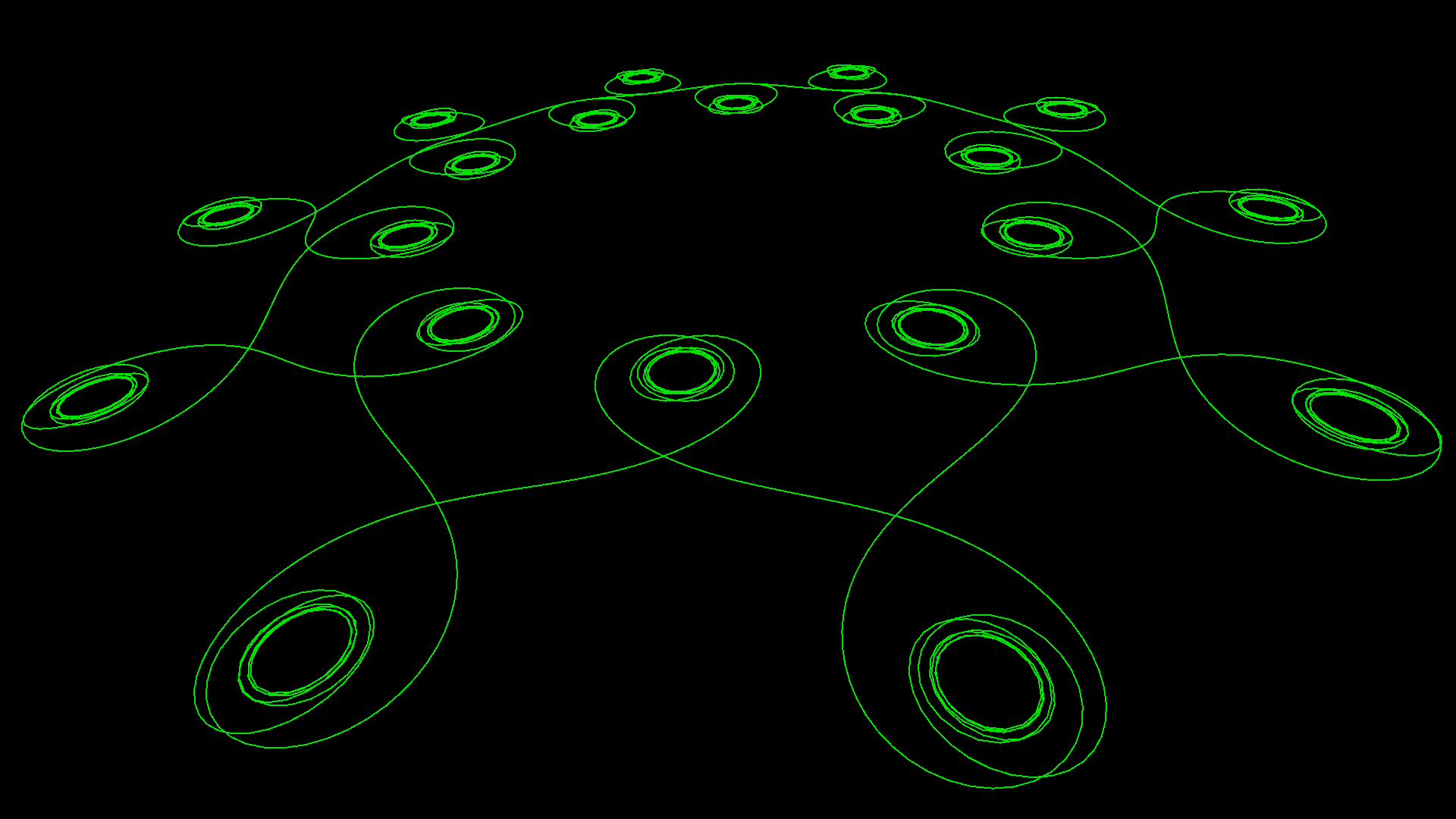
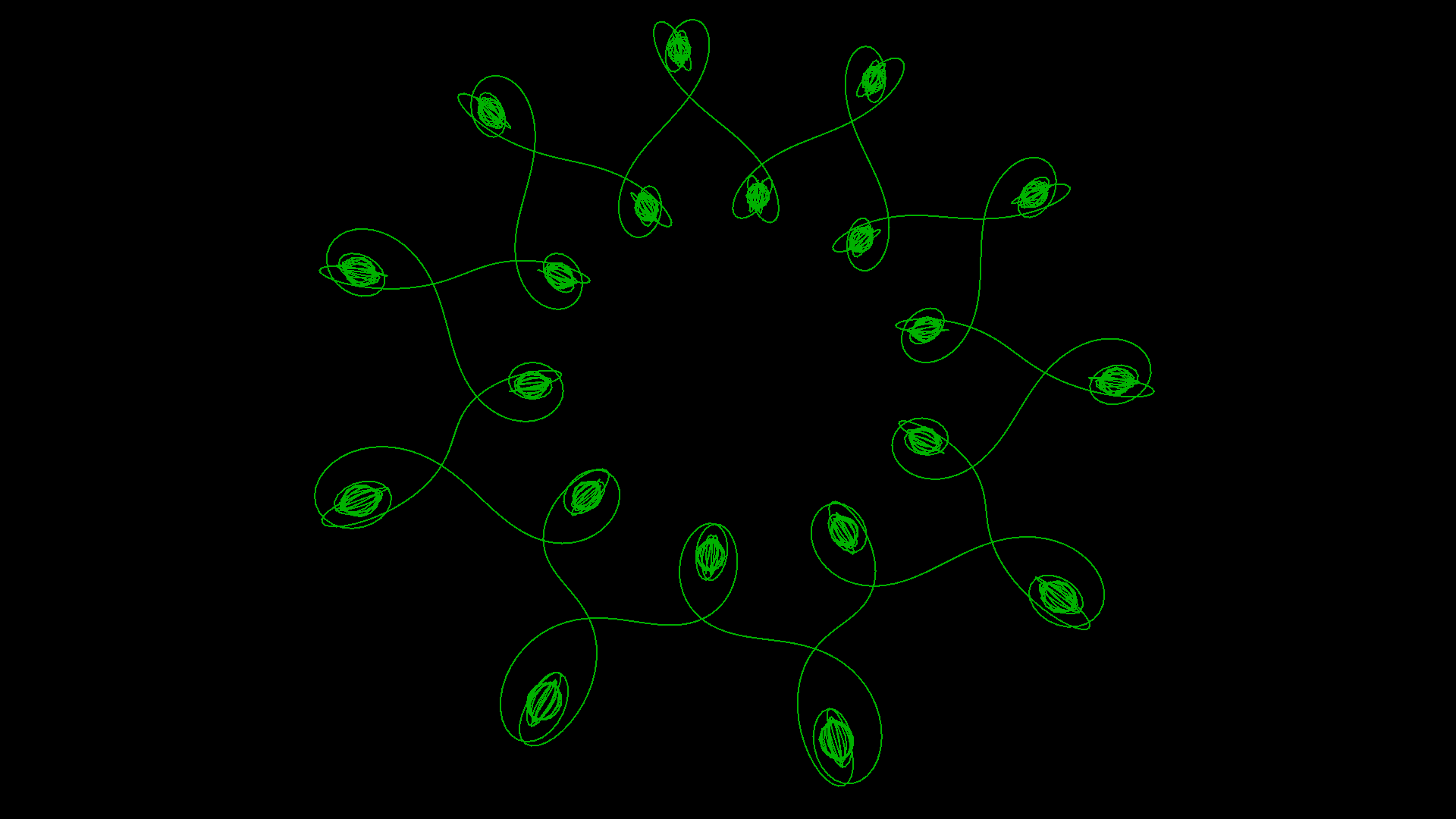
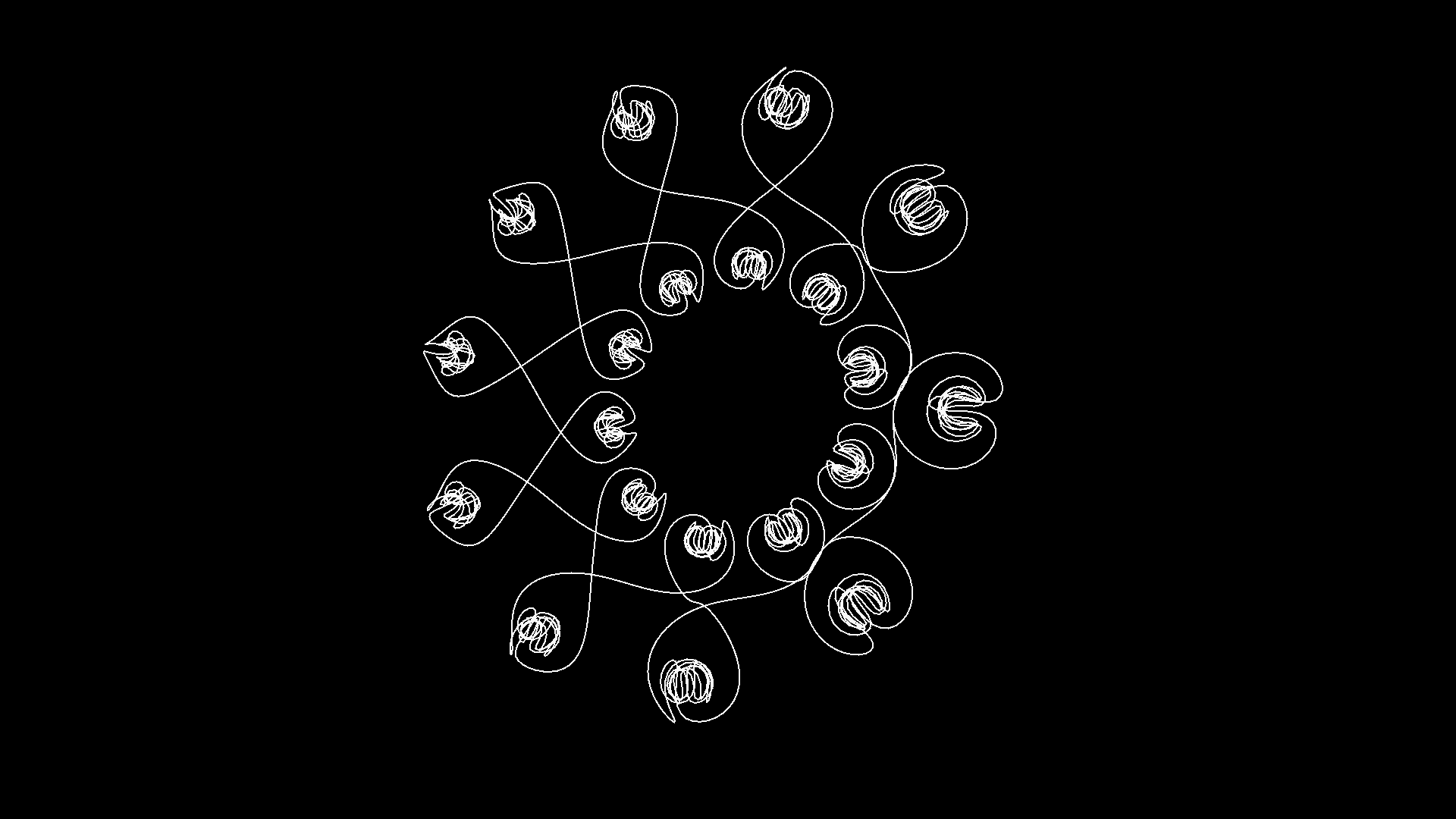
This simple commented project allows for the introduction of 3D movements and shapes (the rocket procedure) including a basic introduction to repeat, the creation of turtle models and the use of premodel, an introduction to the orbit primitives and the use of a new worker (thread) for orbiting the camera!
TO rocket
  forward 70
  down 90
  ;these two commands orient the rocket better for use as
  ;a turtle model

  setfillcolor yellow
  ;yellow is a function that returns the value 13
  ;it is a shortcut used for convenience in learning
  ;as is red, green, blue etc.

  cylinder 20 120 10
  ;cylinder takes

  rollright 180
  ;flip the turtle over to create the nose cone

  cone 20 50 10

  lower 50
  ;lower the turtle to create the 'nose'

  setfillcolor red
  icosphere 3

  setfillcolor orange
  ra 50 + 120
  ;ra is short for raise

  rr 180
  ;rr is shorthand for rollright

  cutcone 20 30 30 10
  ;move the turtle to the bottom of the rocket and
  ;create the tail

  up 90 bk 30.1
  ;bk is short for back

  setfillcolor white
  repeat 2 [cylinderslice 40 5 20 10 rr 90]
  ;create the fins

  setfillcolor red
  dn 90 sl 10 bk 10 cylinder 10 10 10
  ;sl is short for slideleft

  fd 20 cylinder 10 10 10 sr 20
  ;fd is short for forward
  ;sr is short for slideright

  cylinder 10 10 10 bk 20 cylinder 10 10 10
  ;create the jets

END

TO createmodel
  clearscreen
  ;cs is short for clearscreen

  begintag "rocketmodel
  ;tags are used to create turtle models
  ;among other uses. You can also use them to
  ;show or hide parts of the 'turtle track'

  rocket
  ;run the rocket procedure

  endtag
  ;close the tag

  newmodel "rocket "rocketmodel
  ;create a new model called 'rocket' based on the
  ;rocketmodel tag

  setmodel "rocket
  ;set the turtle's model to the rocket model

  clearscreen
  ;clear away the tagged model, leaving only the
  ;turtle
END

TO starfield :number
  hideturtle
  norender
  ;suspend rendering of the scene until we're done drawing the stars
  penup
  repeat :number [
    home
    randomvectors randomfillcolor
    ;randomvectors orients the turtle randomly
    ;while randomfillcolor sets a random fill color

    forward 1000 + random 1000
    ;move forward a random distance

    up 90
    ;orient the turtle up in preparation of creating a spot
    ;because the spot is created around and below the turtle

    spot 10 + random 10
    ;create a randomly-sized spot

  ]

  home
  showturtle
  render
  ;resume rendering

END

TO main
  reset
  ;resets turtleSpaces to a default state

  createmodel
  ;execute the createmodel procedure

  starfield 200
  ;execute the starfield procedure, passing the parameter value 200

  setmodelscale 0.5
  ;decrease the size of the turtle model to half normal

  setpremodel [lt 90]
  ;inserts 'left 90' into the turtle track between the scene
  ;and the turtle model ('pre' the model)

  setfillcolor 14
  ;sets the fillcolor to 14. Type 'showcolors' or 'sc' in the console
  ;to see a list of default colors. You can also definecolor your own!

  ico 50
  ;create an icosphere (the planet)

  penup
  dropanchor
  ;set the 'anchor point', or the point the turtle 'orbits' around
  ;using the orbit commands, to the current turtle position

  pullout 80
  ;pull away 80 turtle units from the anchor point

  snappy:newworker [forever [orbitleft 0.1]]
  ;tell snappy the camera turtle to create a new routine or thread
  ;that forever orbits around the scene to its left one tenth of
  ;a degree at a time

  make "rotation 0
  ;define a container (variable) called 'rotation'
  ;and set it to 0. We're going to use it to keep track of the
  ;rotation of the rocket

  forever [
    inc "rotation
    ;same as make "rotation :rotation + 1
    ;there is also dec (decrement)

    setpremodel {"lt 90 "rollright :rotation % 360}
    ;curly braces indicate a 'softlist', a list that is evaluated
    ;at runtime. In this case, so that we can have a dynamic
    ;rotation value we pass to setpremodel

    ;% is shorthand for modulus

    orbitleft 1
    ;orbit the rocket one degree to the left

    wait 1
    ;wait one sixtieth of a second

  ]
END